Thales Sets MFA as Core Security Standard, Aligns With CISA Guidelines
bigsansar | Dec. 23, 2025
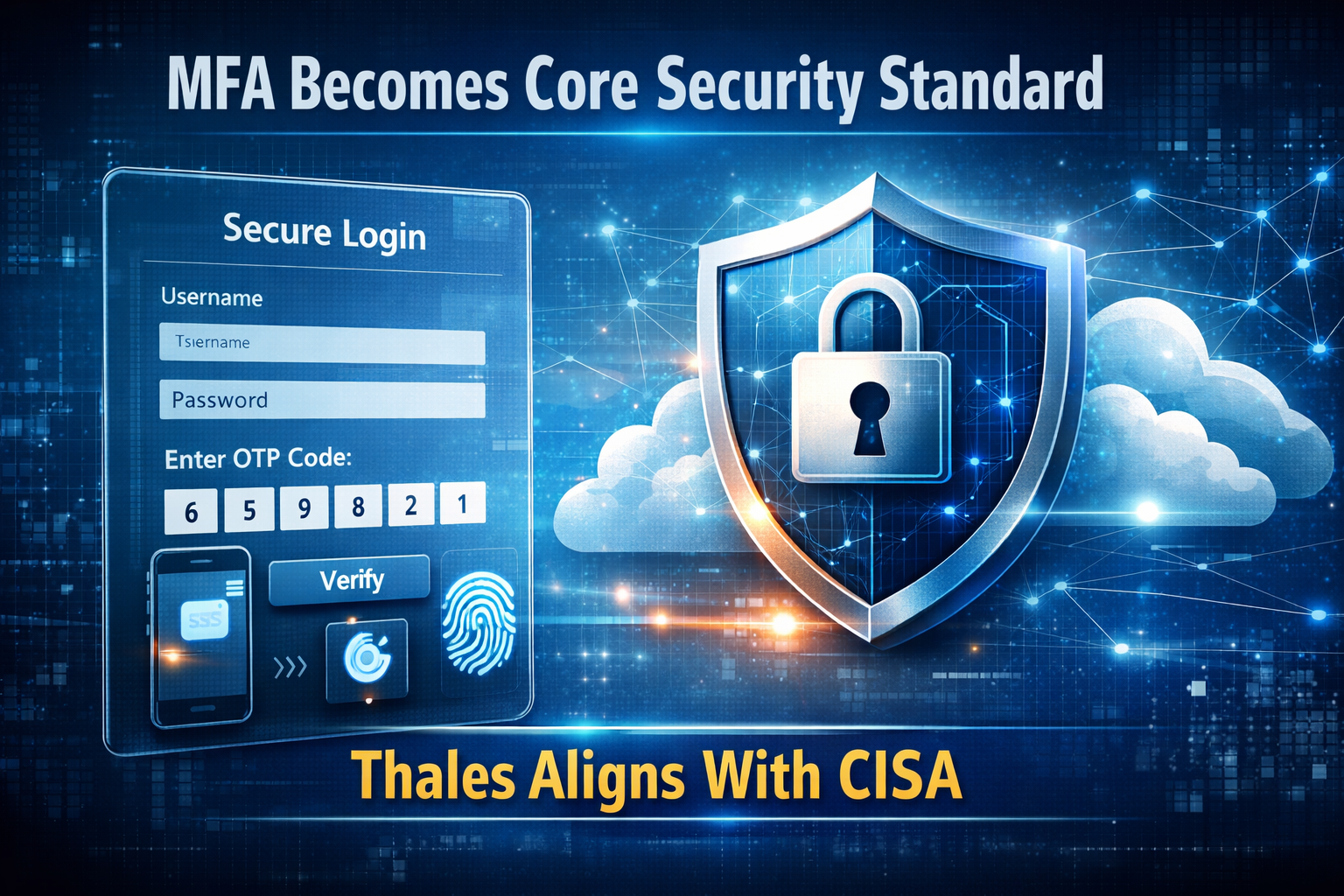
In today’s digital age, information technology has become deeply integrated into everyday life. From banking systems and government services to social media platforms and enterprise cloud environments, digital infrastructure now forms the backbone of modern society. As this dependence increases, so do the risks associated with cyber threats such as data breaches, phishing attacks, and unauthorized system access. In this context, the global cybersecurity company Thales has taken an important step by establishing Multi-Factor Authentication (MFA) as a core security standard, aligning its approach with the guidelines promoted by the Cybersecurity and Infrastructure Security Agency (CISA).
Traditional password-based security methods are no longer sufficient to protect digital systems against increasingly sophisticated cyber attacks. Weak passwords, reused credentials, and human error continue to expose organizations to serious security vulnerabilities. MFA addresses these weaknesses by adding additional layers of verification, making it significantly more difficult for attackers to gain unauthorized access. For this reason, MFA is now widely recognized as a critical security factor in modern cybersecurity strategies.
Multi-Factor Authentication works by requiring users to verify their identity through more than one method before gaining access to a system. These methods typically involve a combination of something the user knows, something the user has, and something the user is. By relying on multiple authentication factors rather than a single password, MFA greatly reduces the risk posed by stolen or compromised credentials. Even if one factor is exposed, the remaining layers continue to protect the system.
Thales’ decision to prioritize MFA across its identity management, cloud security, and data protection solutions reflects a broader shift toward stronger and more resilient cybersecurity frameworks. The company’s approach focuses on reducing the impact of phishing attacks, preventing credential theft, and securing remote access in an era where hybrid and remote work environments have become common. By embedding MFA as a foundational security standard, Thales reinforces the idea that cybersecurity must be proactive rather than reactive.
This strategy closely aligns with CISA’s promotion of the Zero Trust security model. Zero Trust operates on the principle of “never trust, always verify,” meaning that no user or device is automatically trusted, regardless of whether it is inside or outside the network perimeter. Under this model, continuous verification is essential, and MFA plays a central role in ensuring that every access request is properly authenticated. By aligning with CISA’s guidance, Thales demonstrates its commitment to internationally recognized cybersecurity best practices.
The broader implications of this move extend beyond Thales itself. When a global security leader adopts MFA as a core standard, it sets a strong example for governments, enterprises, and technology providers worldwide. Organizations are increasingly encouraged to adopt multi-layered security measures to protect sensitive data, maintain user trust, and comply with evolving cybersecurity expectations. For end users, this shift translates into improved data privacy and greater confidence in digital services.
In conclusion, the news that Thales has set MFA as a core security standard and aligned its strategy with CISA underscores a clear and important message. The future of cybersecurity depends on robust, multi-layered protection mechanisms rather than reliance on passwords alone. As cyber threats continue to evolve, Multi-Factor Authentication is no longer optional but an essential security factor for safeguarding digital systems in the modern world.
0 COMMENTS:
NVIDIA DGX Station for Windows Brings Trillion-Parameter AI to the Desktop
NVIDIA has introduced DGX Station for Windows, a powerful AI workstation capable of running trillio…
Cybersecurity Tips to Stay Safe Online | Digital Safety Guide
Learn essential cybersecurity tips to protect your accounts, personal data, and privacy online. Sta…
OpenClaw: Nvidia’s Next ChatGPT & AI Future | NemoClaw
Nvidia CEO Jensen Huang calls OpenClaw the next ChatGPT. Discover NemoClaw and how autonomous AI ag…
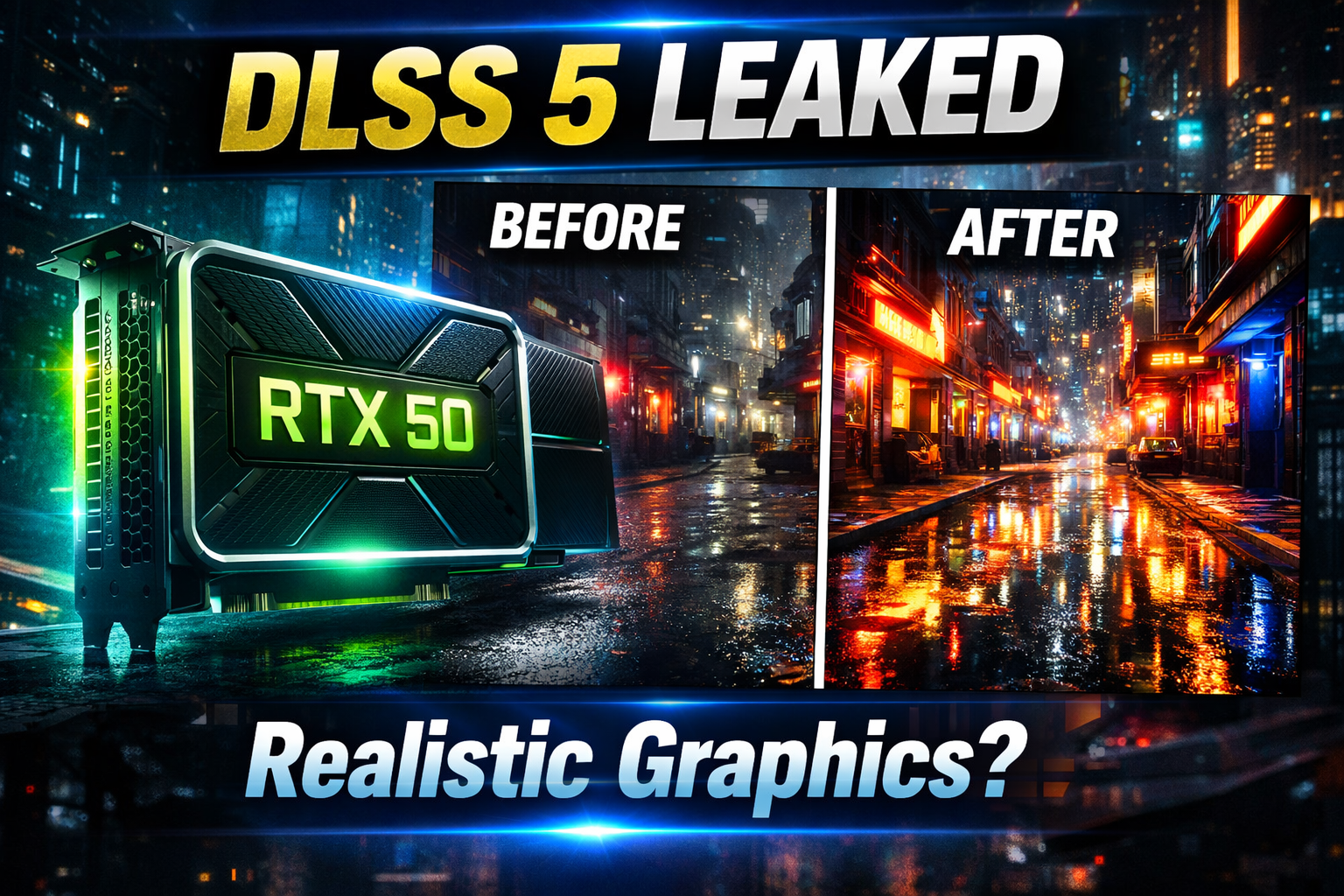
NVIDIA DLSS 5 Explained: Realistic Lighting & RTX 50-Series Performance
Discover NVIDIA DLSS 5: AI-powered upscaling and improved ray tracing for RTX 50-Series GPUs. Learn…
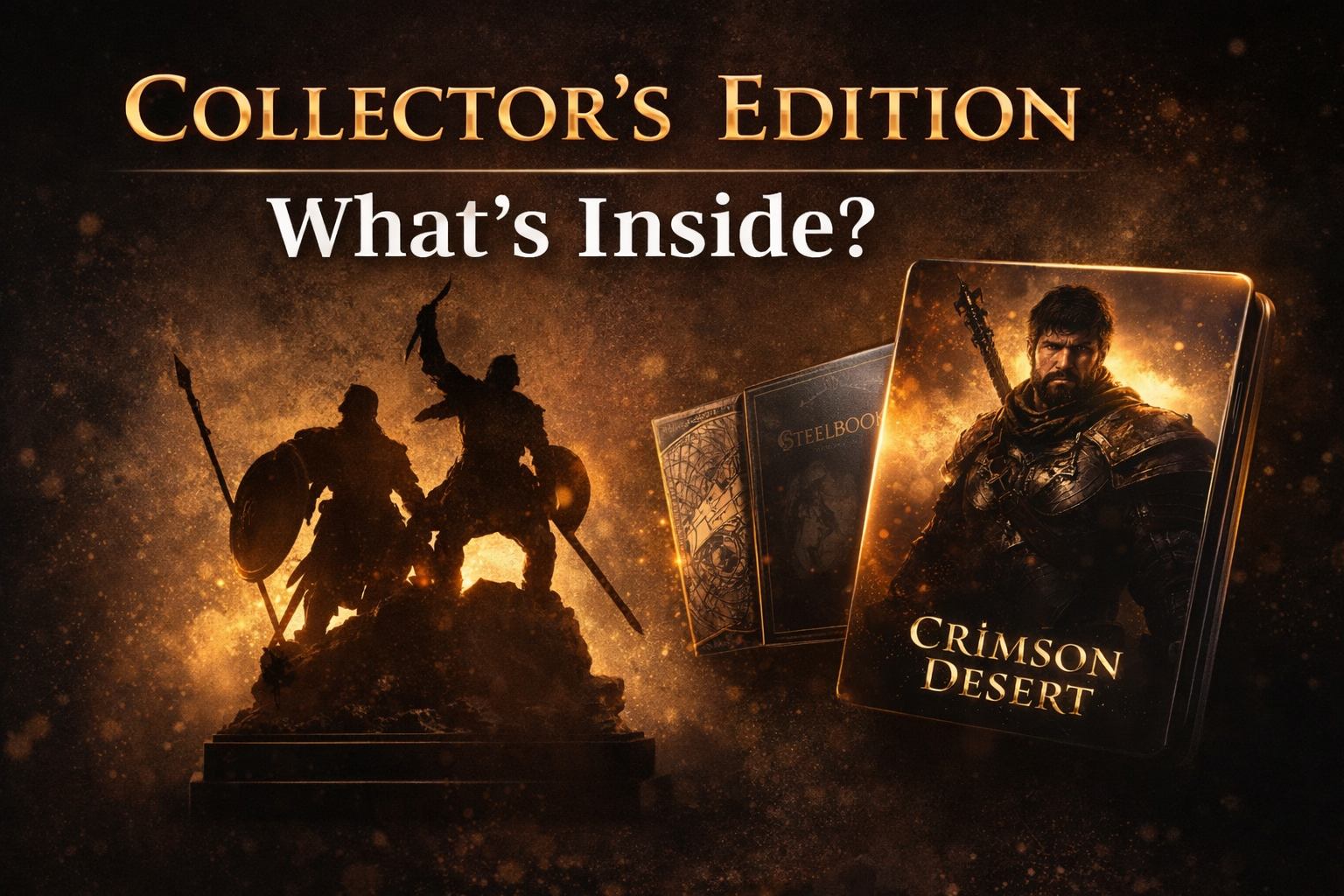
Crimson Desert Editions Explained: What Comes in Each Edition?
Discover what comes in each Crimson Desert edition. Compare Standard, Deluxe, and Collector’s Editi…
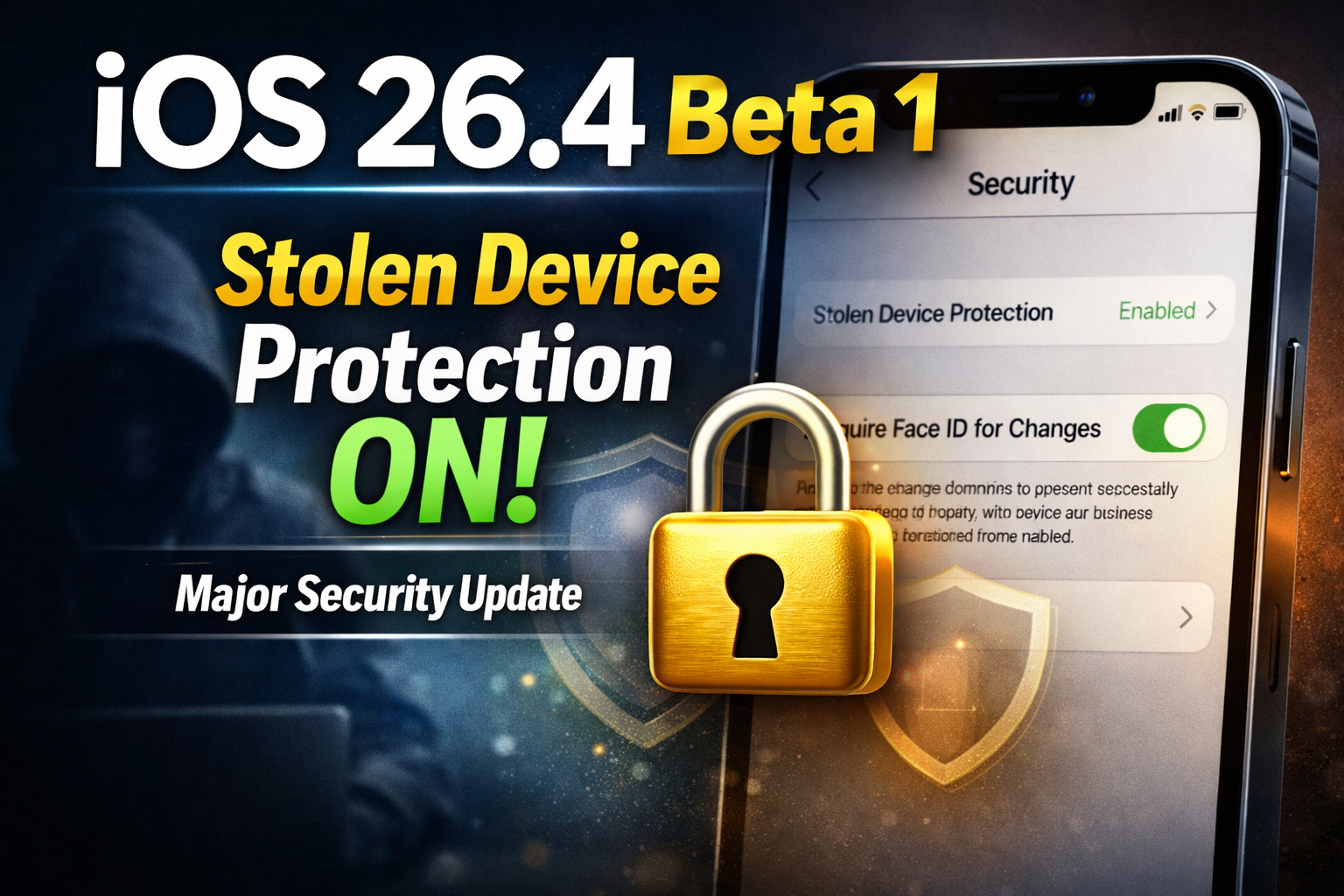
iOS 26.4 Beta 1 Features: Stolen Device Protection Default for All iPhones
Discover the latest iOS 26.4 beta 1 features. Reports suggest Apple may enable Stolen Device Protec…
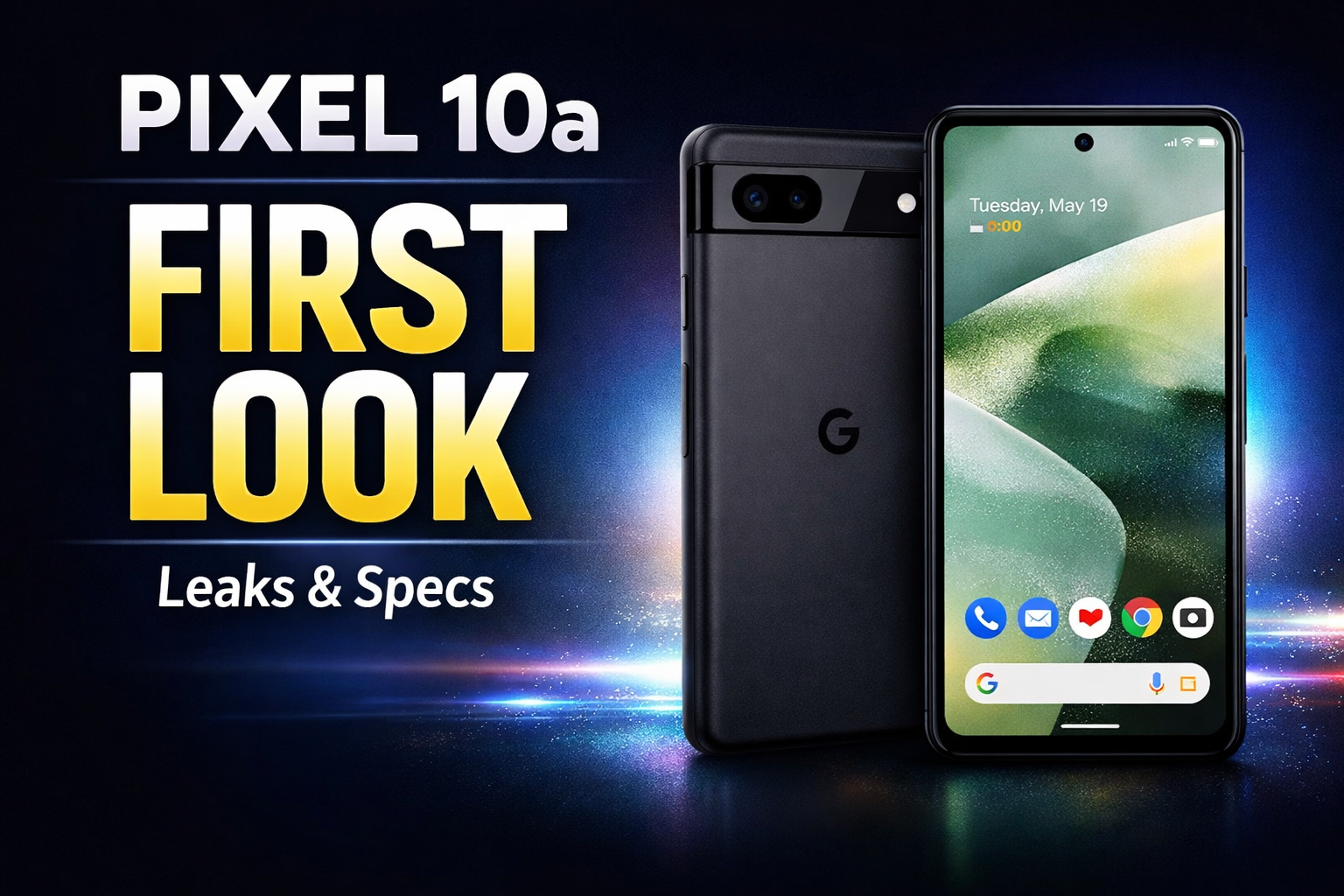
Google Pixel 10a First Look: Leaks, Expected Specs, Price & Release Date
Get your first look at the new Google Pixel 10a. Explore the latest leaks, expected specs, camera u…
How to Report Phishing: A Comprehensive Guide to Stay Safe Online
Learn what phishing is and how to report phishing scams. This complete guide explains phishing sign…
Race for AI Could Trigger Hindenburg-Style Disaster: Expert Warning
Leading AI expert warns that the global race for artificial intelligence could create a Hindenburg-…
Essential Cybersecurity Tips for All Gadget Users – Protect Your Data
Learn the top cybersecurity tips for smartphones, laptops, tablets, and smart devices. Protect your…