AMD and the AI Revolution: How the Chipmaker Is Shaping the Future of Technology
bigsansar | Nov. 8, 2025
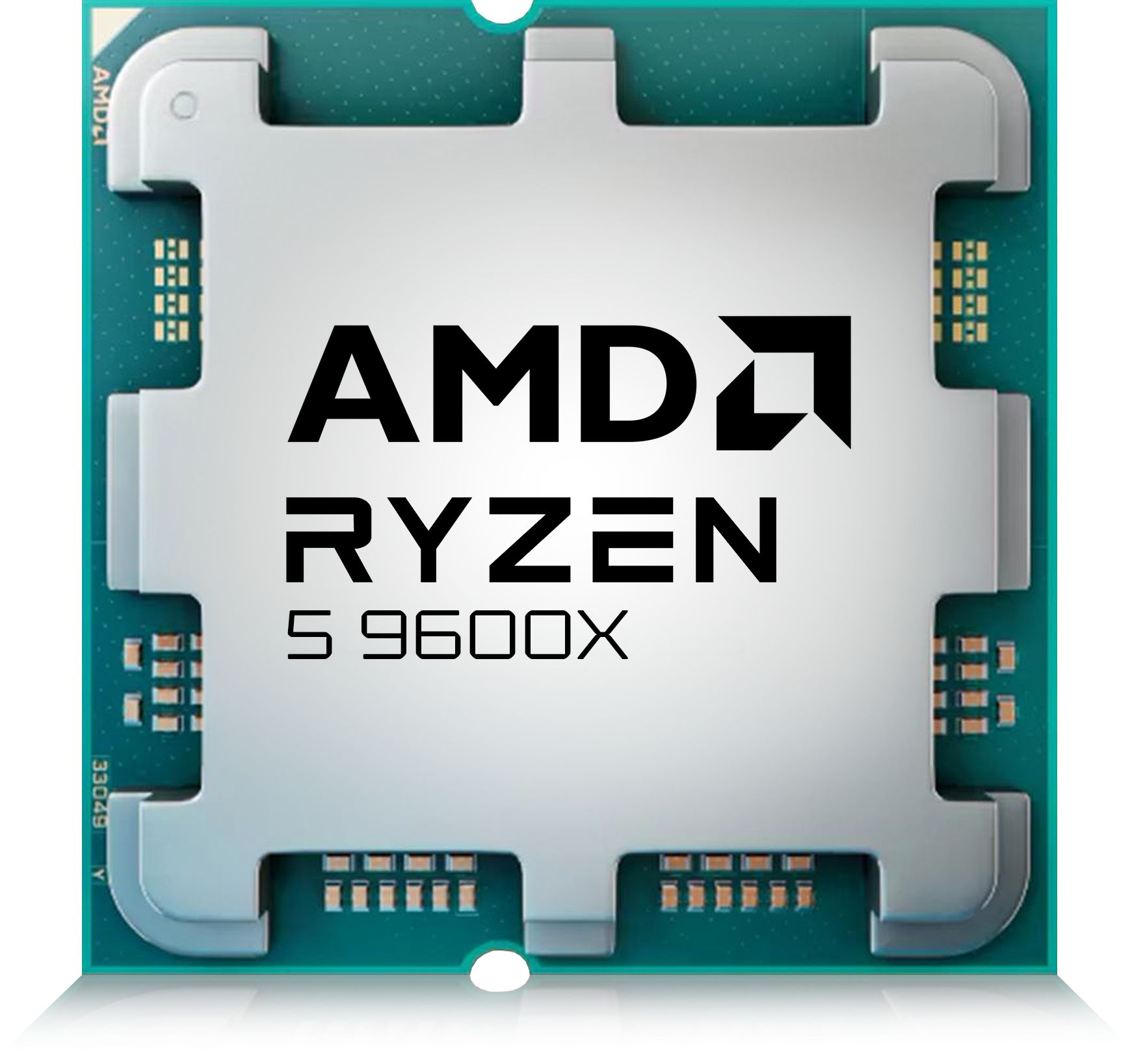
In the fast-evolving world of technology, there are moments when a company takes a turn so significant that it reshapes the entire industry. Today, that company is Advanced Micro Devices (AMD). Once primarily known for gaming and computer processors, AMD has transformed itself into a central force in artificial intelligence (AI), data centers, and high-performance computing. Recent developments and partnerships have not only pushed AMD into headlines but also made it one of the most searched topics on Google Trends.
In October 2025, AMD made a major leap in the AI world by announcing a long-term chip supply agreement with OpenAI, one of the most influential AI companies in the world. Under this deal, AMD will provide the essential chips and hardware required for OpenAI’s growing AI infrastructure. According to Reuters, the agreement includes nearly six gigawatts of computing capacity, making it one of the largest AI hardware partnerships ever signed.
This partnership sent a clear message to the market — AMD is no longer just a GPU manufacturer; it is positioning itself as a foundational force in the age of artificial intelligence.
Beyond AI, AMD has expanded aggressively into the data center and supercomputing markets. The company is now a key contributor to the United States’ new Sovereign AI Factory Supercomputer project, powered by its latest Instinct GPUs and EPYC processors.
This move highlights two important points: AMD is no longer limited to consumer products, and its technology is gaining trust from governments, research institutions, and enterprise clients worldwide.
At the OCP Global Summit 2025, AMD unveiled its new Helios Rack-Scale AI Hardware Platform, which promises 50 percent more memory capacity and improved serviceability compared to Nvidia’s Vera Rubin system. Alongside this, AMD introduced the Instinct MI350 series of AI chips, delivering superior energy efficiency and competitive performance for AI workloads.
These innovations have positioned AMD as an “AI-ready company,” leading to a surge in online search interest and renewed public excitement about its future.
The market has responded enthusiastically to AMD’s progress. Analysts have raised the company’s stock price target to around $140, calling it one of the biggest potential beneficiaries of the AI boom. However, not all voices are optimistic. Some analysts have warned that the recent surge in valuation could be influenced by AI hype, which might pose risks if real-world performance fails to meet expectations.
Nevertheless, this debate itself proves one thing — AMD is at the center of global attention.
Despite its success, AMD faces fierce competition. Nvidia still dominates the AI chip market and continues to release advanced products at an impressive pace. Other competitors such as Intel, Qualcomm, and Google Cloud TPU are also striving to capture their share of the AI infrastructure market.
For AMD to sustain its growth, it must not only focus on hardware innovation but also strengthen its software ecosystem. Its ROCm (Radeon Open Compute) platform is a step in that direction, providing open tools for developers to build and optimize AI applications using AMD hardware.
Looking at current trends, AMD’s future appears promising. Its investments in AI infrastructure, high-performance computing, and energy-efficient chip designs could define the next decade of technology. However, long-term success will depend on how effectively AMD continues to innovate, manage costs, and maintain a sustainable supply chain amid growing competition.
AMD stands today at a crucial turning point in technological history. Its partnership with OpenAI, advancements in AI and data centers, and breakthroughs in chip design have placed it firmly on the map as a key player in the AI revolution. Yet, its journey is far from over. True success will be measured not only by innovation but by how deeply AMD’s technology becomes integrated into the global digital ecosystem.
For now, one thing is certain — AMD is no longer just a chip company; it is a driving force of the new AI era.
0 COMMENTS:
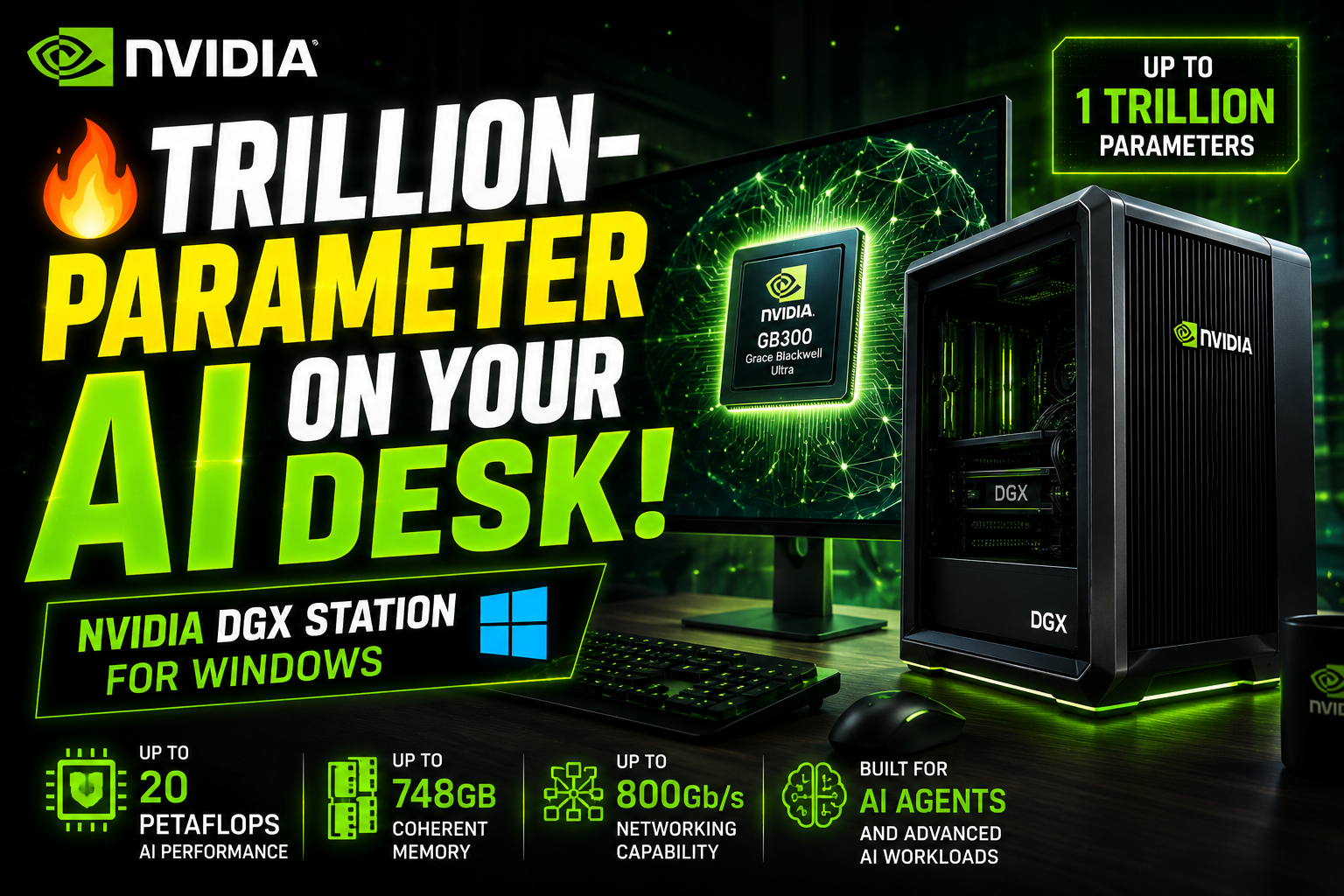
NVIDIA DGX Station for Windows Brings Trillion-Parameter AI to the Desktop
NVIDIA has introduced DGX Station for Windows, a powerful AI workstation capable of running trillio…

Cybersecurity Tips to Stay Safe Online | Digital Safety Guide
Learn essential cybersecurity tips to protect your accounts, personal data, and privacy online. Sta…
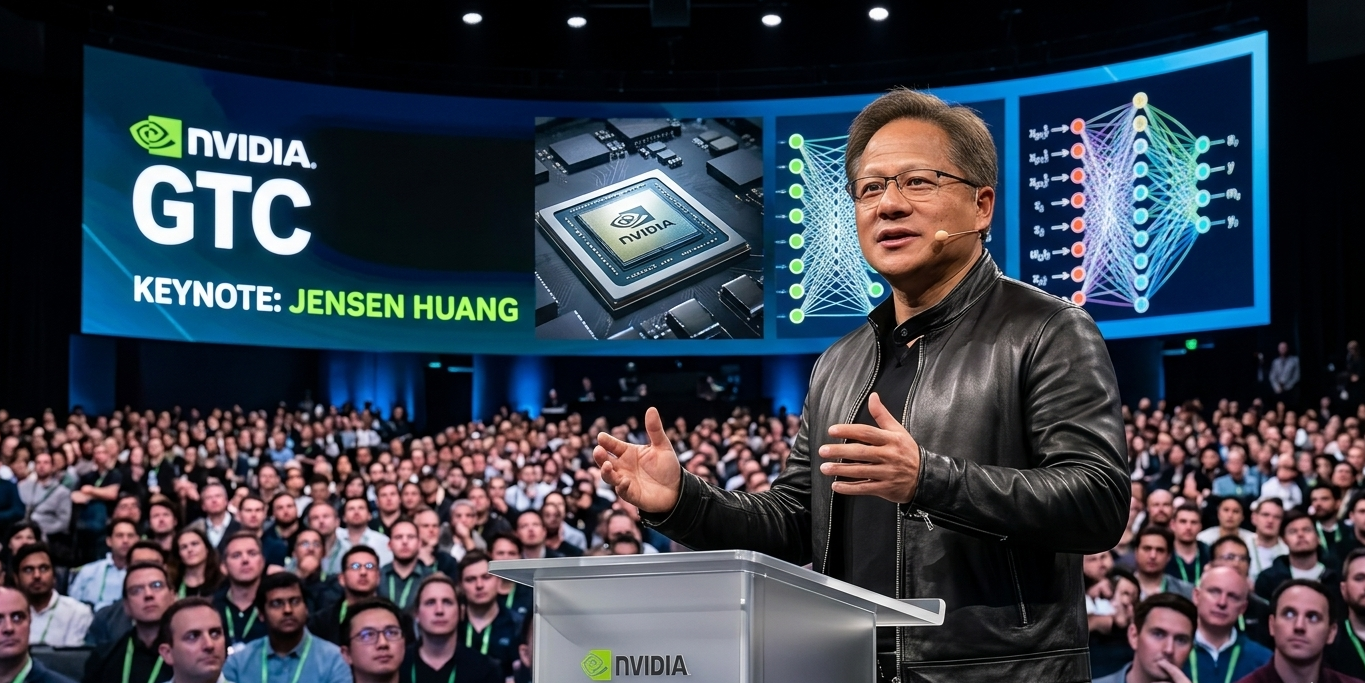
OpenClaw: Nvidia’s Next ChatGPT & AI Future | NemoClaw
Nvidia CEO Jensen Huang calls OpenClaw the next ChatGPT. Discover NemoClaw and how autonomous AI ag…

NVIDIA DLSS 5 Explained: Realistic Lighting & RTX 50-Series Performance
Discover NVIDIA DLSS 5: AI-powered upscaling and improved ray tracing for RTX 50-Series GPUs. Learn…

Crimson Desert Editions Explained: What Comes in Each Edition?
Discover what comes in each Crimson Desert edition. Compare Standard, Deluxe, and Collector’s Editi…

iOS 26.4 Beta 1 Features: Stolen Device Protection Default for All iPhones
Discover the latest iOS 26.4 beta 1 features. Reports suggest Apple may enable Stolen Device Protec…

Google Pixel 10a First Look: Leaks, Expected Specs, Price & Release Date
Get your first look at the new Google Pixel 10a. Explore the latest leaks, expected specs, camera u…

How to Report Phishing: A Comprehensive Guide to Stay Safe Online
Learn what phishing is and how to report phishing scams. This complete guide explains phishing sign…

Race for AI Could Trigger Hindenburg-Style Disaster: Expert Warning
Leading AI expert warns that the global race for artificial intelligence could create a Hindenburg-…

Essential Cybersecurity Tips for All Gadget Users – Protect Your Data
Learn the top cybersecurity tips for smartphones, laptops, tablets, and smart devices. Protect your…